




About Us
Forward Fleet Transport is a pioneering force in Ethiopia’s transport and logistics sector. Founded in 2021 by industry experts, we specialize in delivering transformative solutions across fleet, warehouse, and asset management.
Gallery




Social Account

Intermodal Shipping: Seamless Journeys for Optimized Supply Chains
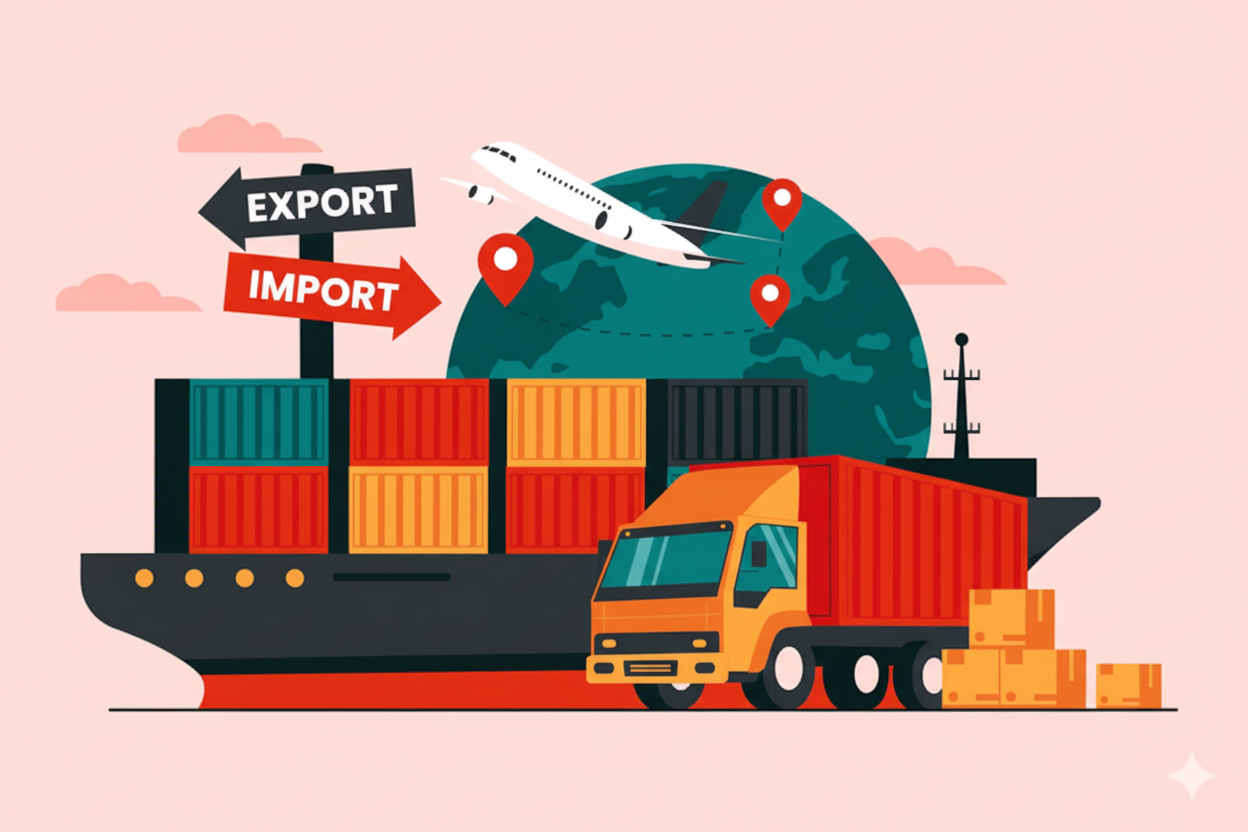
In an increasingly interconnected global economy, businesses are constantly seeking more efficient, cost-effective, and sustainable ways to move goods across vast distances. Traditional single-mode transport often falls short, facing limitations in capacity, reach, or environmental impact. This is where intermodal shipping emerges as a powerful solution. Intermodal transport involves using two or more modes of transportation (such as rail, road, sea, or air) to move freight, all while keeping the cargo in the same container. This seamless transition between modes minimizes handling, reduces transit times, and unlocks significant savings and flexibility. Forward Fleet recognizes the immense potential of intermodal strategies and helps clients integrate these sophisticated solutions into their supply chains. Let’s delve into how intermodal shipping can revolutionize your logistics.
1. What is Intermodal Shipping and How Does it Work?
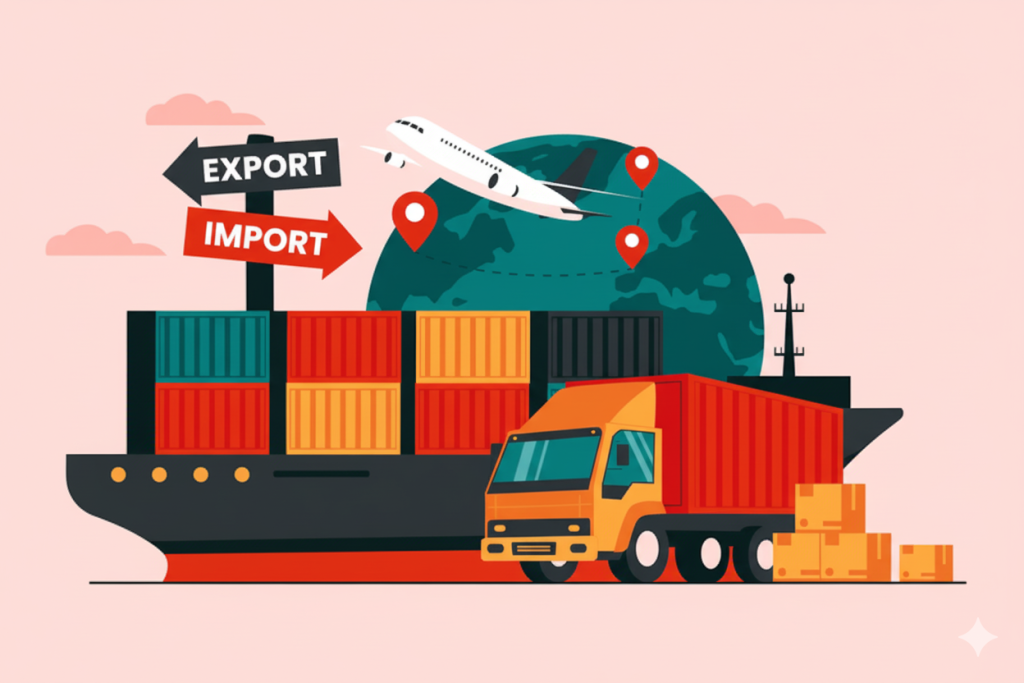
Intermodal shipping is the movement of freight in an intermodal container or vehicle, using multiple modes of transport (rail, ship, and truck) without any handling of the freight itself when changing modes. The key is the standardized container, which can be easily transferred from a train to a truck, or from a truck to a ship, without being unloaded and reloaded. This method streamlines the shipping process, reduces cargo damage risk, and allows for optimized use of each transport mode’s strengths – for instance, rail for long-haul efficiency, and truck for flexible last-mile delivery.
2. Key Benefits: Cost Savings and Efficiency
One of the primary drivers for adopting intermodal shipping is the significant cost savings it offers, particularly for long-distance hauls. Rail transport, a cornerstone of many intermodal strategies, is often more cost-effective than long-haul trucking. By leveraging the most economical mode for the longest leg of the journey, businesses can drastically reduce fuel costs and associated expenses. Furthermore, optimized routing and reduced cargo handling contribute to overall operational efficiency, leading to faster transit times and a more predictable supply chain.
3. Environmental Advantages and Sustainability
As environmental concerns grow, the sustainability aspect of intermodal shipping becomes increasingly important. Rail transport, for example, is significantly more fuel-efficient per ton-mile compared to trucking, resulting in a smaller carbon footprint. By shifting freight from roads to rail or sea for appropriate segments, companies can make a tangible contribution to reducing greenhouse gas emissions and traffic congestion. This aligns with corporate sustainability goals and appeals to environmentally conscious consumers and partners.
4. Enhanced Security and Reduced Risk
Keeping cargo within a sealed container throughout its journey offers enhanced security. Reduced handling minimizes the risk of damage, loss, or theft that can occur during multiple loading and unloading processes. Intermodal containers are designed to be robust and secure, providing superior protection for goods, particularly during long transits or transfers between different transport modes. This contributes to greater peace of mind and fewer insurance claims for shippers.
5. Flexibility, Capacity, and Scalability
Intermodal shipping offers a high degree of flexibility. It allows businesses to tap into various transport networks, providing solutions even when single-mode capacity is constrained. This versatility is crucial for adapting to fluctuating market demands and seasonal peaks. Furthermore, the ability to combine modes provides access to a wider range of geographical areas, making it an ideal solution for complex domestic and international supply chains, offering scalability that can grow with your business.
6. Integrating Intermodal into Your Supply Chain
Implementing an effective intermodal strategy requires careful planning and coordination. Forward Fleet assists clients in assessing their current logistics needs, identifying viable intermodal routes, selecting appropriate carriers, and integrating intermodal operations seamlessly into their existing supply chain management systems. Our expertise ensures that you can harness the full benefits of intermodal transport, from initial planning to final delivery.
Conclusion:
Intermodal shipping represents a smart, strategic evolution in logistics, offering a powerful combination of cost-effectiveness, environmental sustainability, enhanced security, and operational flexibility. For businesses looking to optimize their supply chains, reduce their carbon footprint, and navigate the complexities of modern freight movement, embracing intermodal solutions is a clear path forward. Partner with Forward Fleet to unlock the seamless efficiency and myriad benefits that intermodal transport can bring to your operations.



0 Comments
Hi, this is a comment.
To get started with moderating, editing, and deleting comments, please visit the Comments screen in the dashboard.
Commenter avatars come from Gravatar.